
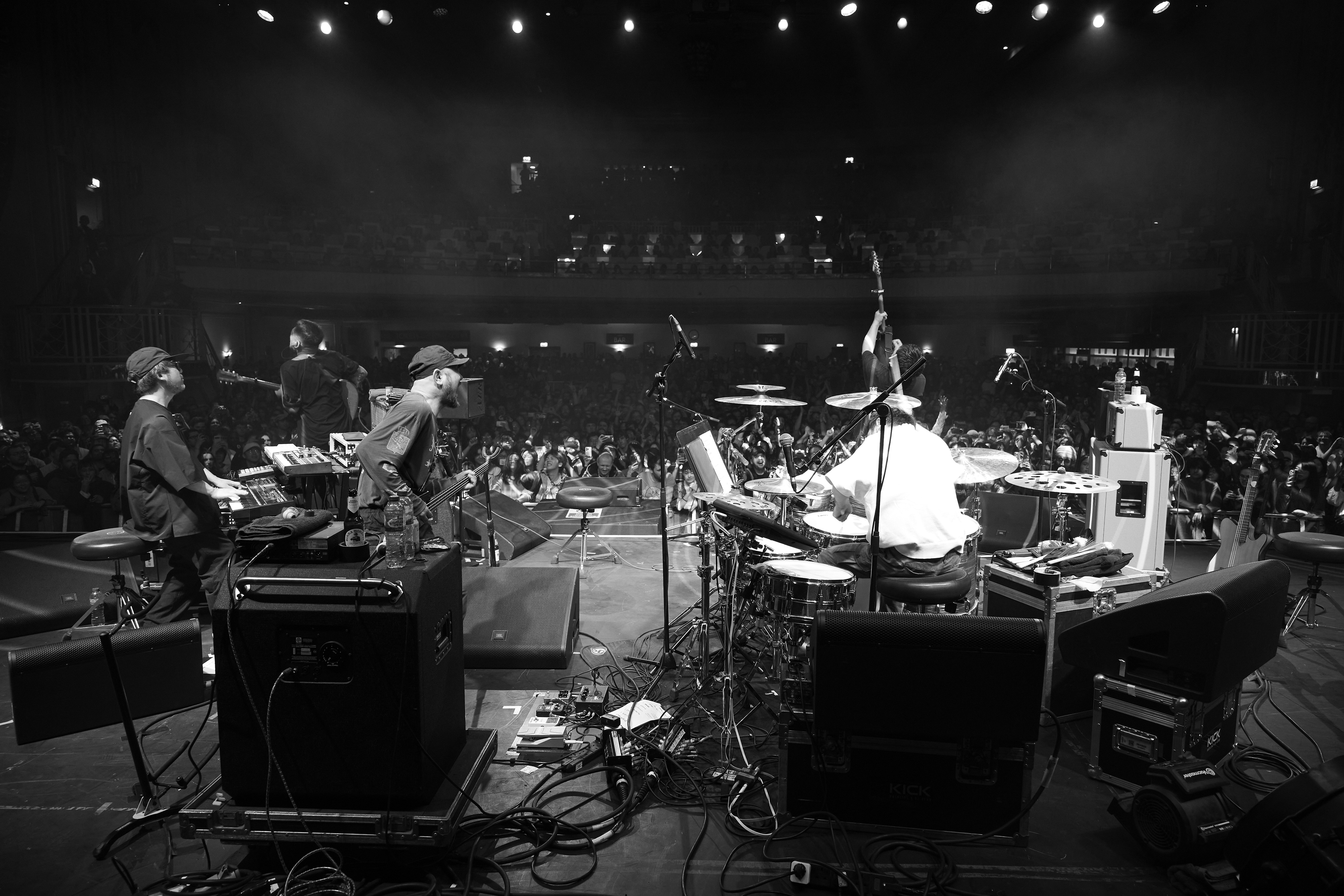
Ahead of their Latin America tour “LONELINESS WILL SHINE”, which marks their return to Santiago with a completely sold-out show, Japanese band toe sat down for an exclusive conversation with Fuera del Radar about the creative freedom that has kept them together for 25 years, the impact of their songs, and their upcoming encounter with the Chilean audience.
There’s a long distance between Japan and Chile, both geographically and linguistically. However, your music transcends those borders. We still remember a very special moment from your first sold-out show in Santiago in 2018, where you invited the entire audience, who had numbered seats, to stand up and come closer to the stage. What does it mean to you to have such a deep connection with fans in a country so far away?
YAMA It’s amazing, and we are grateful to know that people in Chile, so far away from us, can connect with and enjoy the music we created in our small corner of Tokyo. It just goes to show that cultural expression, including music, has the power to bring people together beyond nationality and language. Seeing people can connect in this way, regardless of where they come from, is incredibly meaningful to us. It also means a lot to know that our music can be a small part of that connection.
Let’s talk a little bit about your latest album. In an earlier interview around the release of Our Latest Number, Hirokazu-san mentioned that he preferred the EP format because, on longer records, “guitars tend to sound pretty similar to each other”. Yet Now I See the Light broke that rule. As your first full-length album in nine years, what made you decide to embrace the LP format again for this record?
YAMA There’s no real reason. It’s been a while since our previous release (which is pretty typical for us). In Japan, full-length albums tend to receive more support from the media than EPs. Since we’d built up a lot of song ideas over that time, it felt like the right opportunity to put them together as a full-length album. That said, I still find it easier to focus working on around four songs at a time. I feel more comfortable making music in an EP format.
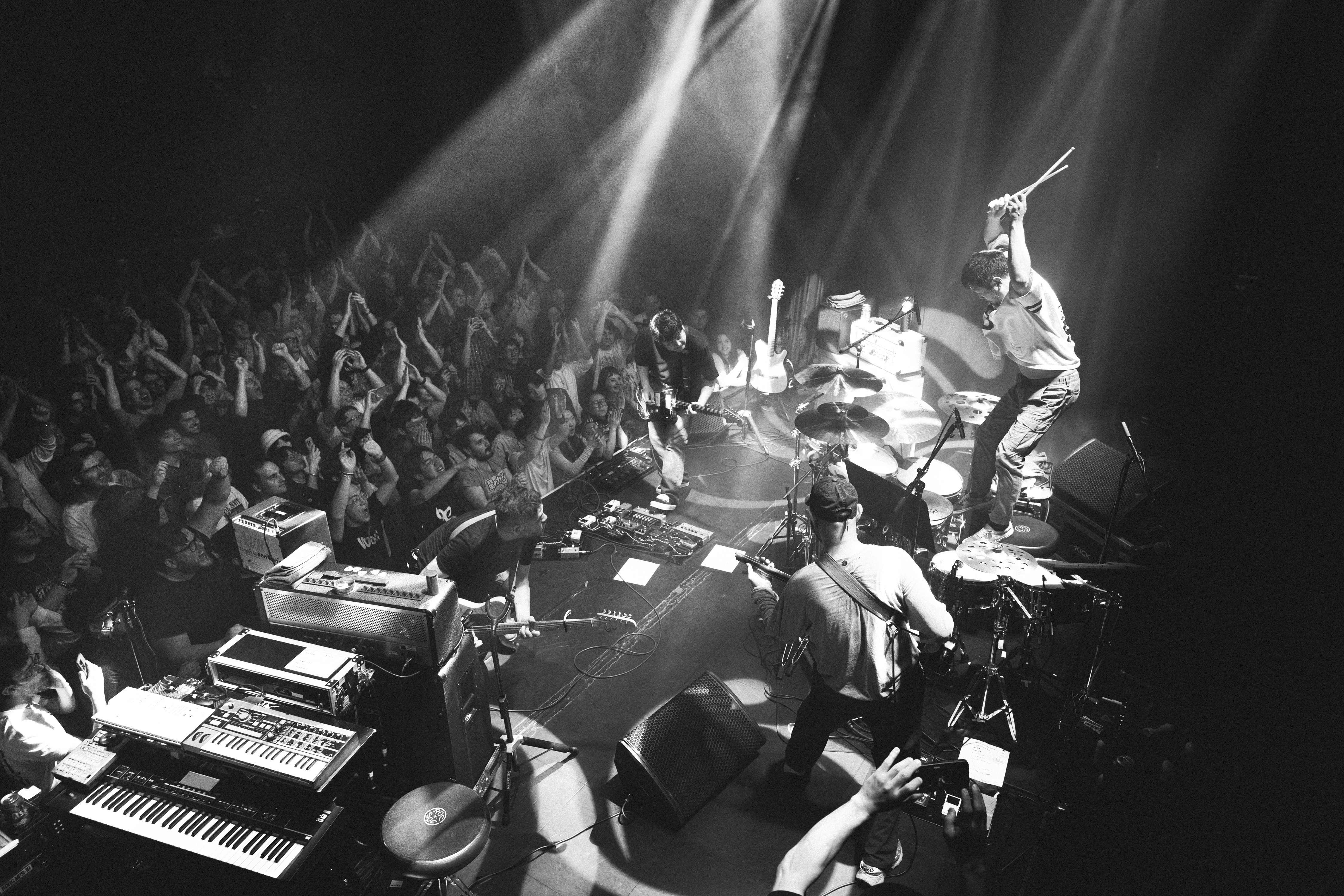
Every time we read the comments on your YouTube videos, we see people from all over the world sharing deeply personal stories about how your songs have given them hope, helped them through difficult times, and even comforted them in moments of grief. How do you process the fact that your music has had such a profound impact on so many people's lives?
YAMA I think it’s wonderful that art, whether it’s music or any other form of creative expression, can have such a meaningful impact on people’s lives. I’ve been deeply influenced by the bands and music I love, and in many ways, they’ve helped me through my life. It’s incredibly rewarding to know that the music we make has become a part of people’s lives in that way.
It’s well known that many of your songs begin as demos created by Yamazaki and Mino on a computer, with programmed drums and bass that Kashikura and Yamane later reinterpret in their own way – rather than emerging from a collective jam session. After 25 years with the same lineup, how have you cultivated a creative process that allows your music to feel so organic and cohesive, both on record and on stage?
YAMA Well… When it comes to staying together as a band for so long, I think one of the most important things is having another source of income outside of the band. If you want to keep expressing yourself regardless of whether your music becomes commercially successful, it's important not to rely on it as your only way of making a living. Because our music isn't simply a means of putting food on the table, we're free to create what we genuinely believe is good, without chasing trends or trying to please anyone. I think that freedom ultimately creates a positive cycle and gives us a better chance of making something meaningful.
As for our shows, I think it's important to have a clear vision of what you want the performance to be.
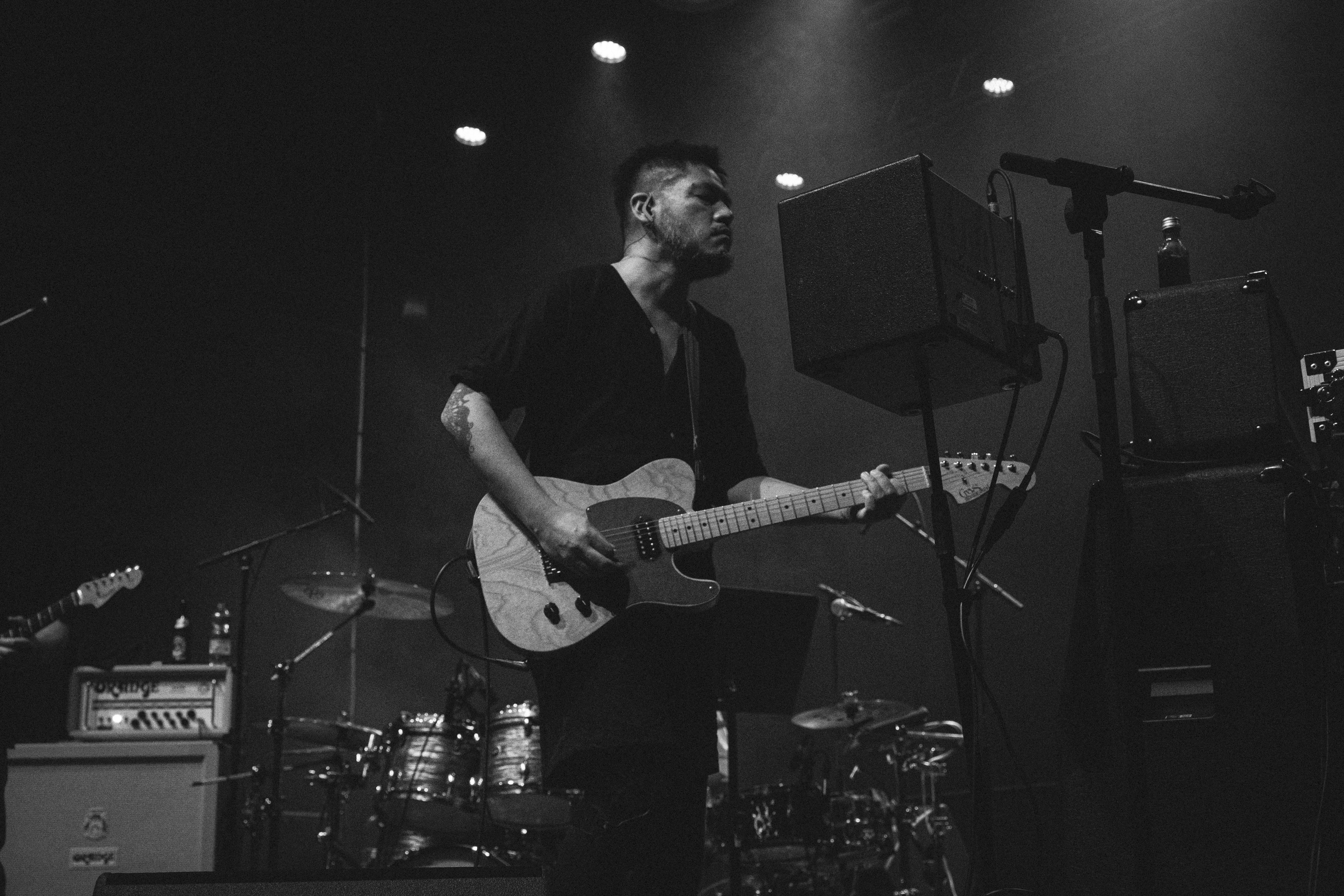
Your song サニーボーイ・ラプソディ scored one of the most important moments of “Sonny Boy”, an outstanding anime that brought together some of Japan’s most celebrated creatives, from Shinichiro Watanabe to toe themselves. Could you tell us about the initial brief you received from director Shingo Natsume, and how the creative process behind this track unfolded?
YAMA We’re not professional composers. We can’t write a song exactly the way a client imagines it. The Director, Shingo Natsume, understands this and that’s why he approached us. He explained what the anime was about, told us the specific scene where the song would be used, and shared some visual reference materials. We interpreted those materials in our own way and wrote the music. Once we finished the song, the director didn’t ask for any changes at all. He seemed genuinely happy with it, which was great. The finished anime was wonderful, it was really moving.
While many artists make their living exclusively from the income generated by their music, each member of toe has maintained a career outside the band. What led you to keep your work and your music on separate paths?
YAMA In Japan, it’s difficult to support a family on income from the band alone for independent bands like us that don’t make pop music. If you want to continue over the long term, you naturally need another source of income. We’ve understood that since we first started the band, so having a job outside of music has never felt weird or a sacrifice to us. I actually enjoy having a career outside of music, and I think it’s been beneficial for me on a personal level as well. As I mentioned earlier, because we don’t make music simply to earn a living, we’re able to focus on creating the music we genuinely want to make, which, in a way, should be the most natural thing for any artist. Having another source of income gives us the freedom to do that. Although, balancing our jobs with the band, and coordinating schedules with the people we work with can be a bit challenging.
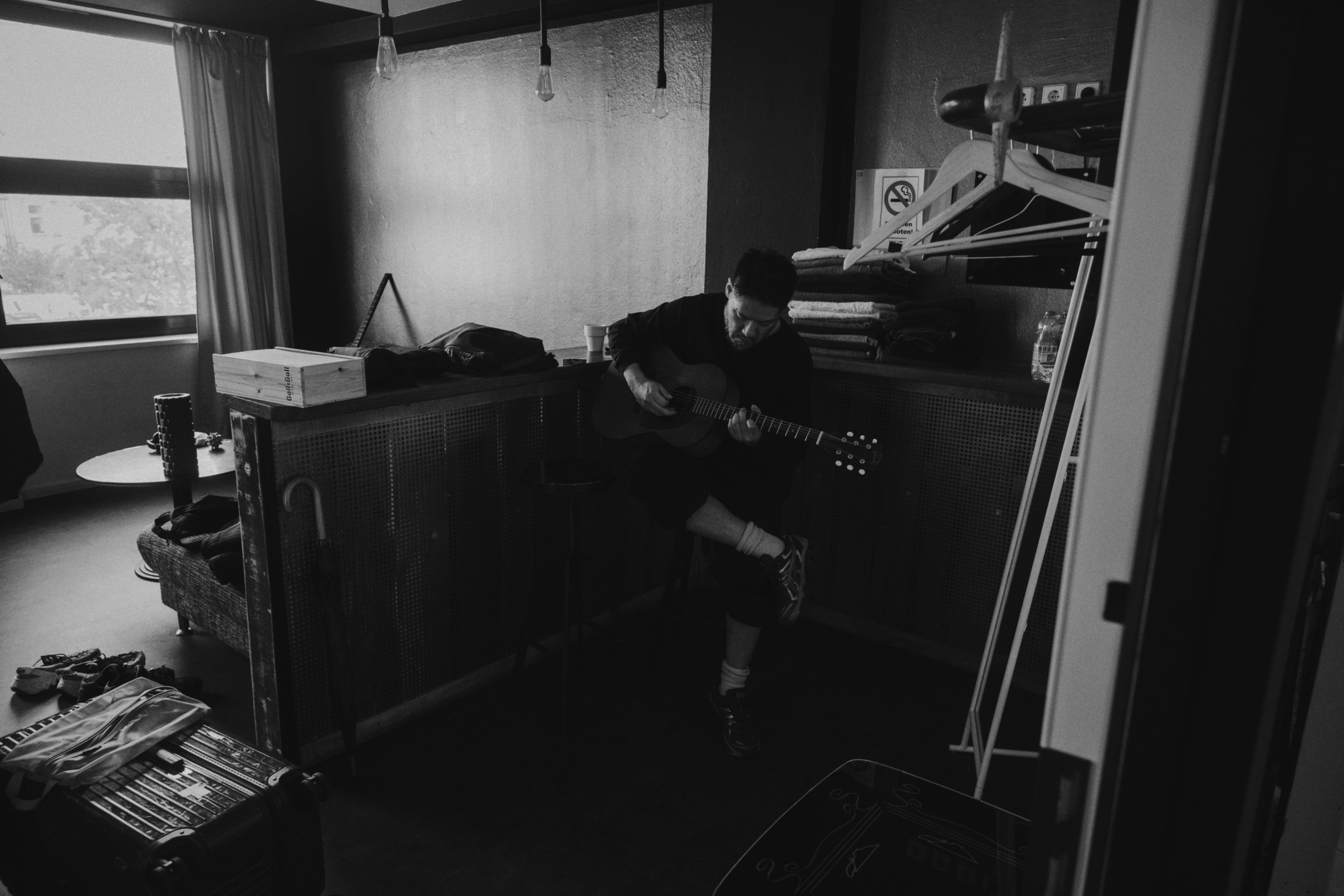
Since we're Fuera del Radar ("Off the Radar"), we'd like to end the interview with an "off the radar" recommendation. Is there a project, artist, or album that you think deserves much more recognition than it has received? What would you recommend to your fans?
YAMA The band hoon: hoon.tokyo.
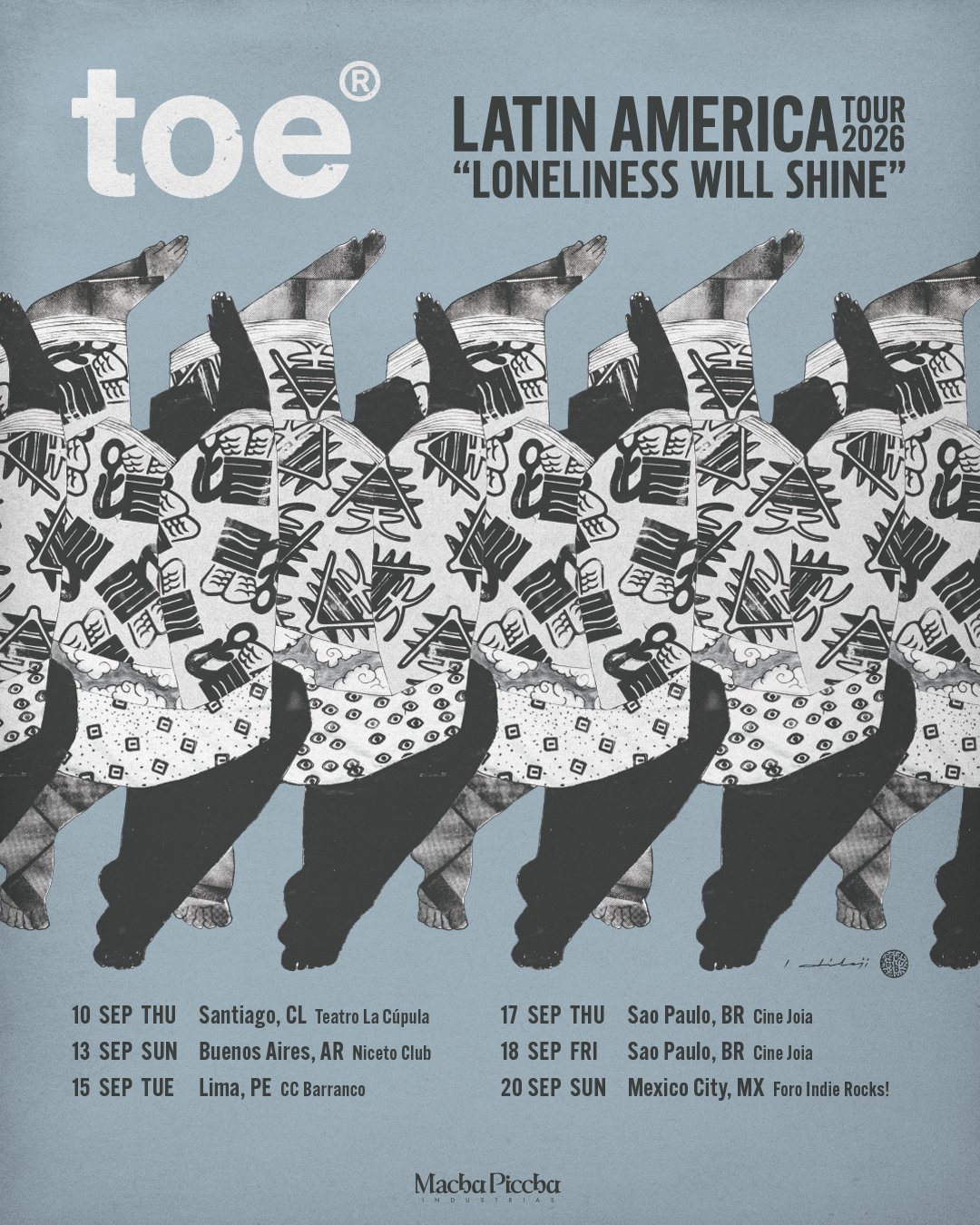
Also the art director Power graphixx, who we collaborated with on the main visual artwork for the EU tour we did in April this year and the Latin America Tour we’re going to do in the fall: power-graphixx.com.
And Hideji Terada: @hideji_t. They are all amazing!
Finally, what would you like to say to everyone who's looking forward to seeing you, whether for the first time or once again, on September 10 at Teatro La Cúpula?
YAMA We’re honored to have the opportunity to perform in Santiago again. We’ll do our best to put on a great show, and we can’t wait to see everyone there. Muchas Gracias!
toe - LATIN AMERICA TOUR 2026 “LONELINESS WILL SHINE”
View post on Instagram